Human impacts on environments and biodiversity
Standard: Human impacts on environments and biodiversity; design and evaluate solutions to reduce them.
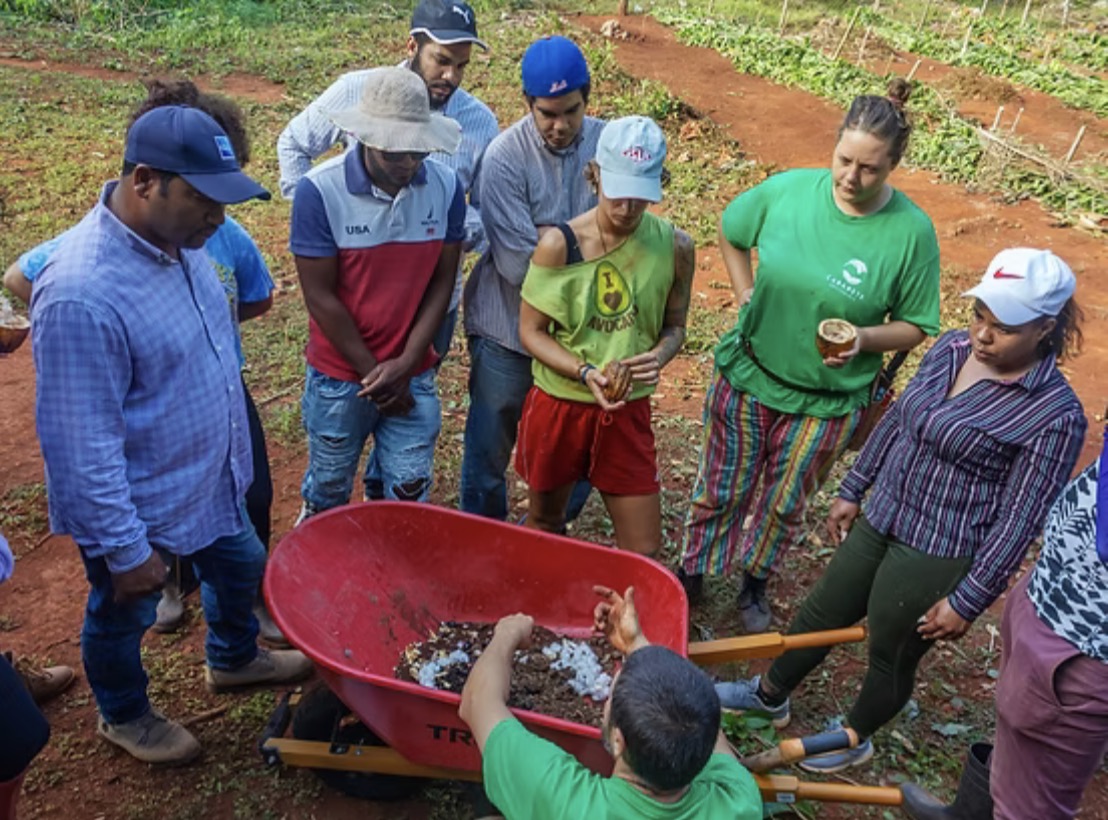
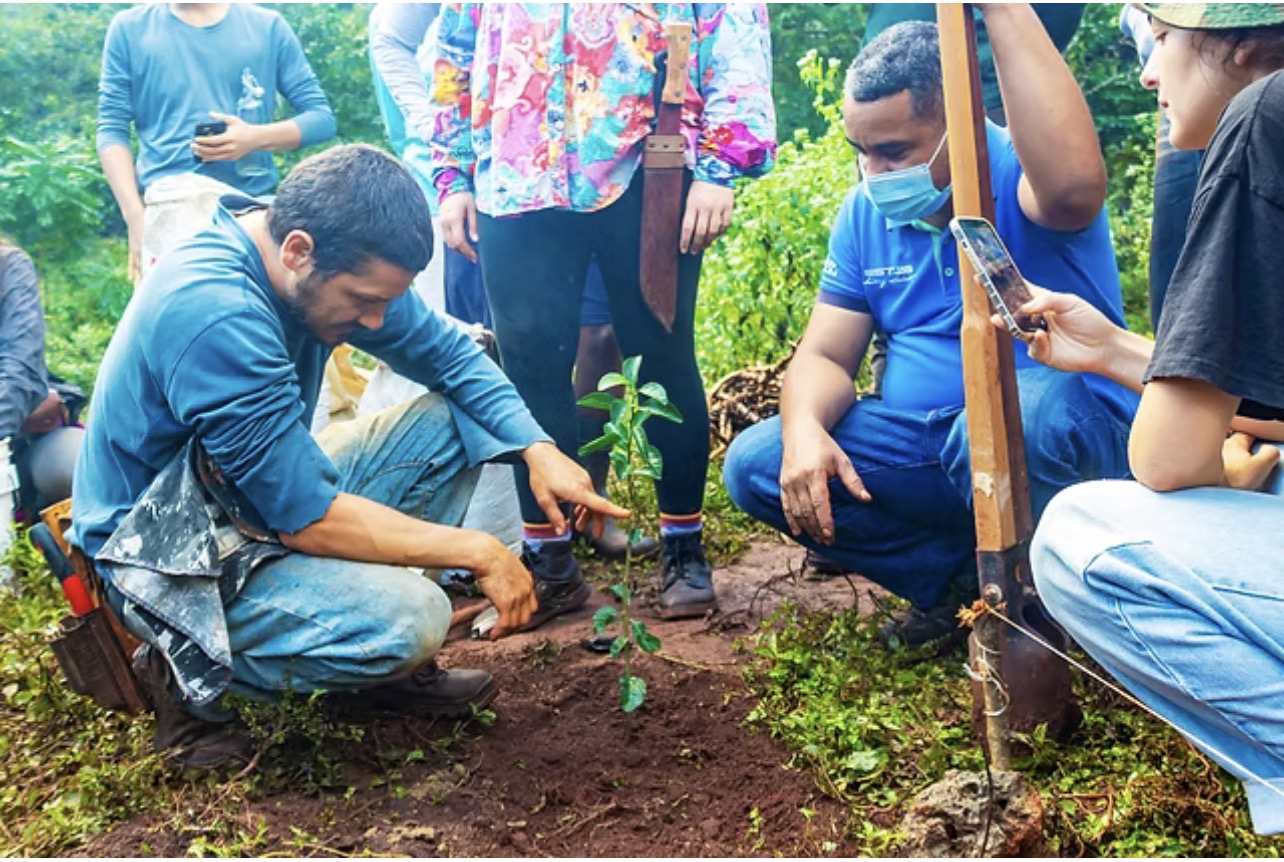
Program Connection: Solutions such as composting and ecological restoration.

Curriculum & Standards Alignment • Your Next Stop Travels • Cabarete, Dominican Republic
Five days of community-based learning connecting food security, regenerative and civic agriculture, ecosystem stewardship, waste reduction, Dominican food traditions, and social entrepreneurship.
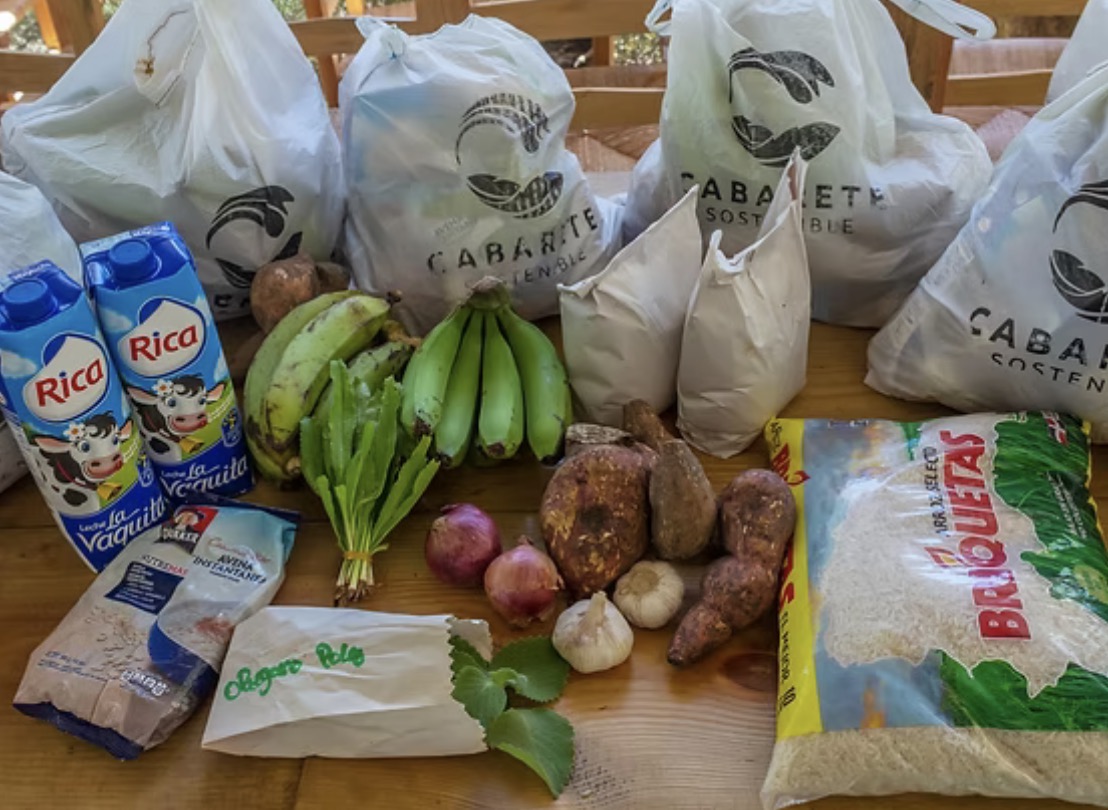
Cabarete Sostenible connects classroom learning with food security, regenerative and civic agriculture, ecosystem stewardship, waste reduction, Dominican food traditions, and social entrepreneurship. Select your state to view the relevant science standards, followed by national frameworks (NGSS, ACTFL, C3, NCSS). These alignments identify curriculum connections, not a promise that every performance expectation is fully taught or assessed during travel. Teachers determine assignments and assessment.
Choose your state to see its standards first, followed directly by the national frameworks that apply to every state.
Showing Kentucky standards first. National frameworks (NGSS, ACTFL, C3, NCSS) follow below.
State science standards connected to Cabarete Sostenible.
Standard: Human impacts on environments and biodiversity; design and evaluate solutions to reduce them.
Program Connection: Solutions such as composting and ecological restoration.
Standard: Resource management, population sustainability and biodiversity.
Program Connection: Supports discussion and teacher-led modeling.
Standard: Examine practices and technologies reducing impacts on natural systems.
Program Connection: Sustainable farming, composting and circular-food practices.
Ecology standards connected to Cabarete Sostenible.
Standard: Research and evaluate strategies for maintenance of biodiversity.
Program Connection: Relate to community farming and agroforestry.
Standard: Examine impacts of human activity on climate and design responses.
Program Connection: Link to environmental stewardship.
Standard: Research ecology careers and the role of engineering, technology and science.
Program Connection: Link to “Where This Experience Could Lead.”
TEKS connections for Cabarete Sostenible.
Standard: Connections to ecosystems, human environmental impacts, conservation, and sustainability.
Program Connection: Gardens, regenerative agriculture, and waste reduction.
Standard: Connections to ecosystems, ecological relationships, and effects of environmental change.
Program Connection: Ecosystem stewardship and food-system observations.
Standard: Agriculture/CTE and Spanish teachers may select additional TEKS according to their locally taught courses.
Program Connection: Agriculture, food traditions, and Spanish-language interaction.
Science standards connected to Cabarete Sostenible.
Standard: Design, evaluate and refine solutions to human impacts on environments and biodiversity.
Program Connection: Gardens, regenerative agriculture and waste reduction.
Standard: Matter cycling and energy flow in ecosystems.
Program Connection: Connect to composting and food production.
Standard: Ecosystem stability and change.
Program Connection: Examine how resource use and ecological practices affect communities.
These national frameworks are shown for every state.
Standard: Design and evaluate ways to reduce human impacts on the environment and biodiversity.
Program Connection: Gardens, regenerative agriculture and waste reduction.
Standard: Explore relationships among natural resource management, sustainable populations and biodiversity.
Program Connection: A full performance expectation requires computational simulation.
Standard: Evaluate or refine technologies and practices that reduce human impacts.
Program Connection: Composting and circular-food systems.
Standard: Communication (interpersonal and interpretive), Cultures, Connections, Comparisons, and Communities.
Program Connection: Apply to Spanish interaction and Dominican agriculture and foodways.
Standard: Dimension 2: geography/human–environment interactions and economics; Dimension 3: evidence; Dimension 4: communicating conclusions and taking informed action.
Program Connection: Community food systems and social entrepreneurship.
Standard: Themes: People, Places, and Environments; Production, Distribution, and Consumption; Global Connections; Civic Ideals and Practices.
Program Connection: Civic agriculture and global food connections.
Explore the official national frameworks and state science standards related to the Cabarete Sostenible learning experience.