
Marine Science & Conservation

RIMS Curriculum & Standards

Roatán Institute for Marine Sciences (RIMS) • Anthony’s Key Resort • Roatán, Honduras

Explore high school science connections through marine ecosystems, coral reef biodiversity, ecological relationships, scientific observation, and marine conservation.

Grades 9–12
Ages 14–18
Marine Science
Curriculum Connections
Educational Connections

RIMS Curriculum & Standards

Marine Science Learning Comes to Life

The Roatán Institute for Marine Sciences (RIMS) program connects classroom learning with marine ecosystems, coral reef biodiversity, ecological relationships, scientific observation, and marine conservation. Select your state to explore high school science standards relevant to the program, together with national Next Generation Science Standards (NGSS) connections. Alignment describes opportunities to reinforce curriculum; teachers determine the classroom activities and evidence needed to meet each standard.

Explore the Learning Connections

RIMS Curriculum & Standards

Select your state to display its standards first, followed immediately by the same national NGSS standards. Only the selected state section will be displayed.

Showing Kentucky standards first. National NGSS standards follow immediately below.

Kentucky — Kentucky Academic Standards for Science

High school science standards connected to marine ecosystems, reef biodiversity, and conservation.

HS-LS2-1

Carrying capacity

Standard: Use mathematical or computational representations to explain how interacting factors, including available resources, environmental conditions, and competition, determine ecosystem carrying capacity at different scales.

RIMS Connection: Consider how reef habitat and available resources affect marine populations; classroom data analysis can extend field observations.


HS-LS2-2

Biodiversity and populations

Standard: Use mathematical representations and evidence to explain and revise claims about factors that affect biodiversity and population size across ecosystems.

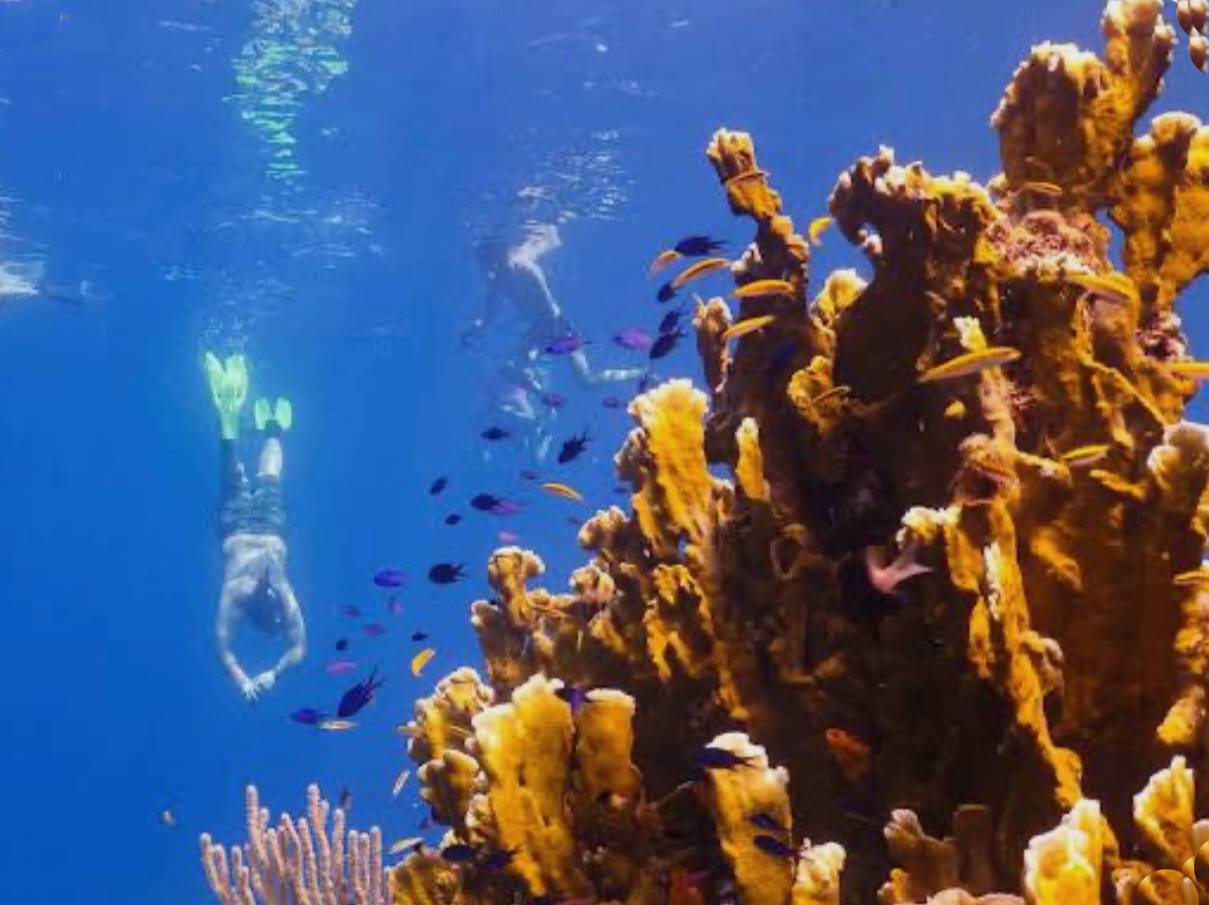
RIMS Connection: Compare observed reef biodiversity, then analyze species data if collected or supplied by educators.

HS-LS2-6

Ecosystem stability

Standard: Assess evidence about how interactions among organisms support ecosystem stability and how changing conditions can alter an ecosystem.

RIMS Connection: Discuss coral reef resilience and effects of warming, pollution, and habitat disturbance.

HS-LS2-7

Reducing environmental impacts

Standard: Design and evaluate ways of reducing adverse human effects on ecosystems and biodiversity.

RIMS Connection: Evaluate strategies for responsible reef tourism and marine conservation.

HS-LS4-6

Biodiversity mitigation models

Standard: Create or revise a simulation to evaluate a possible method for lessening adverse human impacts on biodiversity.

RIMS Connection: Use reef conservation scenarios as context for a classroom simulation.

HS-ESS3-4

Environmental solutions

Standard: Evaluate or refine technology-based solutions intended to reduce human impacts on natural systems.

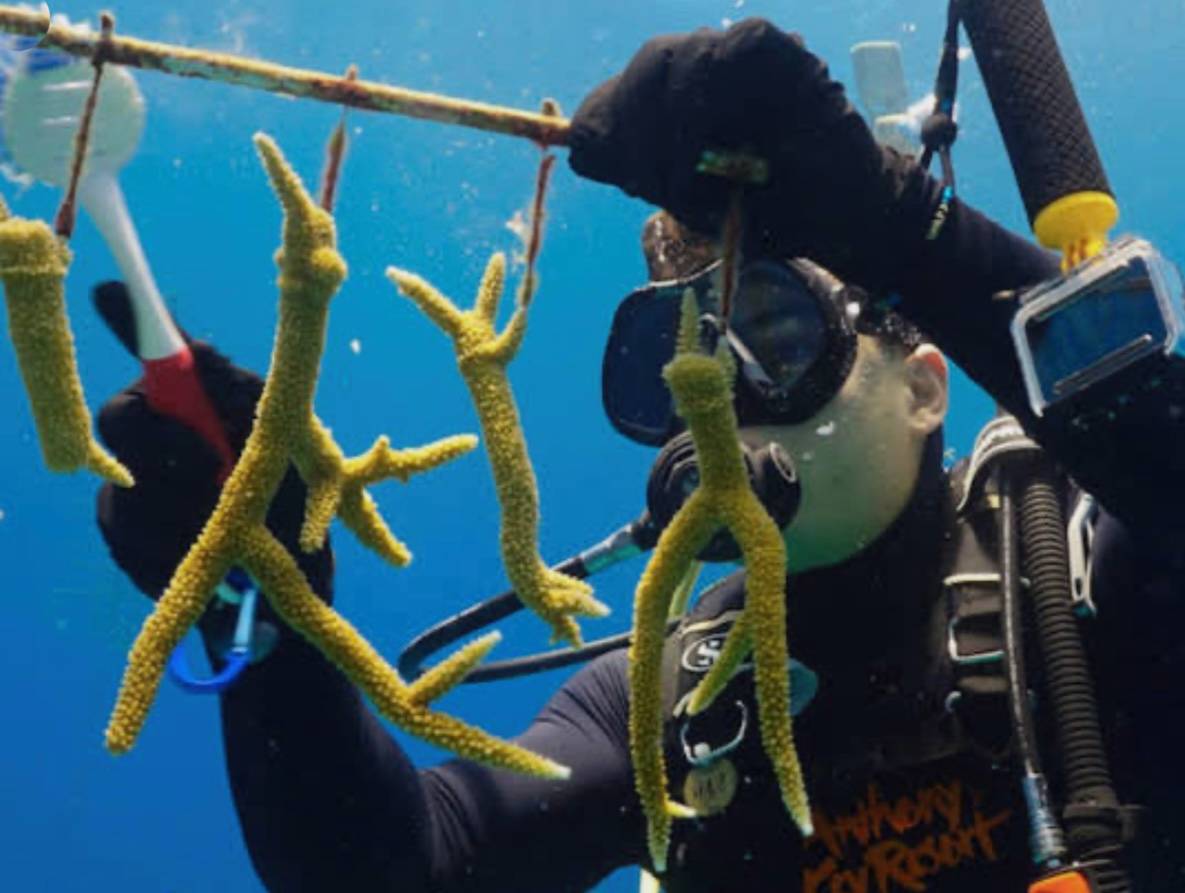
RIMS Connection: Consider technologies and monitoring tools used to support reef protection.

National Standards — NGSS

These same national Next Generation Science Standards connections follow the selected state section.

HS-LS2-1

Carrying capacity

Standard: Use mathematical or computational representations to support explanations of the factors influencing how many organisms an ecosystem can sustain at different scales.

RIMS Connection: Discuss population limits in coral reef ecosystems; quantitative work can be completed in class.

HS-LS2-2

Biodiversity patterns

Standard: Use mathematical representations and evidence to explain or revise claims about biodiversity and population patterns across ecosystems.

RIMS Connection: Compare biodiversity in reef habitats and work with suitable species data.

HS-LS2-6

Ecological stability

Standard: Evaluate evidence concerning how interactions among organisms maintain relatively stable conditions or produce ecosystem change.

RIMS Connection: Consider reef stressors and coral ecosystem resilience.

HS-LS2-7

Human impacts

Standard: Develop and improve solutions to reduce harmful impacts of human activities on ecosystems and biodiversity.

RIMS Connection: Evaluate coral reef conservation ideas.

HS-LS4-6

Conservation simulations

Standard: Create or revise a simulation to test a possible solution that would reduce negative human effects on biodiversity.

RIMS Connection: Model alternative reef protection strategies in follow-up classroom work.

HS-ESS3-4

Technological solutions

Standard: Evaluate or improve a technological approach intended to reduce environmental harm from human activity.

RIMS Connection: Discuss how monitoring or restoration technologies support marine conservation.

Curriculum alignment note: These standards identify opportunities to reinforce curriculum; they do not guarantee that every performance expectation is fully taught or assessed during travel. Some standards require additional classroom investigations, mathematical analysis, simulations, research, or written explanations. Teachers determine the classroom activities and evidence needed to meet each standard.
CURRICULUM RESOURCES

Official Standards References

Consult these source documents for official wording, clarification statements, and additional standards information related to the RIMS marine science experience.

Editorial note: Standard descriptions above are comprehensive plain-language adaptations intended for public-facing display, not official verbatim quotations. The source documents contain official wording and further clarification statements. Program connections represent curricular opportunities rather than guarantees that every performance expectation is fully assessed during travel.